
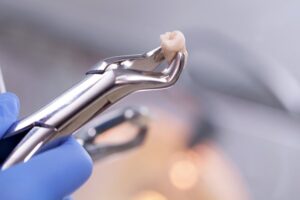
Even in a digital world, word of mouth is extremely powerful. Once a rumor or story has started, belief in it can linger long after the actual truth has come out. In other words, myths can be difficult to bust! When it comes to tooth extraction, some of the most pervasive myths are still based on experiences or beliefs from decades ago or simply campfire horror stories, but some people still think they are true. Right now, find out the truth everyone needs to know about tooth extraction myths!
Myth: Extraction Is the Best Option for Damaged or Decayed Teeth.
Although simply removing troublesome teeth may seem like the ideal choice, extraction should be considered as a last resort. Root canal treatment can save the natural tooth, which is still superior to replacements, even dental implants. In other words, if rescuing the real thing is still possible, you should do it. Extraction should be deemed a more drastic solution for more advanced cases of damage or decay.
Myth: Tooth Extraction Hurts.
If you cringe when you hear the steps of the tooth extraction procedure, keep this in mind: you’ll be numb while you’re in the chair. You shouldn’t feel discomfort while your extraction takes place. When the anesthesia wears off, your mouth will probably feel sore and sensitive, but over-the-counter pain medications usually are powerful enough to manage discomfort. A cold pack on your face can also help ease pain as well as reduce any swelling. If at any point in recovery you feel extreme or worsening pain, especially accompanied by a fever, you need to contact your dentist right away.
Myth: You Don’t Need to Worry About Replacing Extracted Teeth.
Especially if the tooth being extracted is not easily visible, you may think replacement is purely optional. However, without replacement, you won’t be able to chew your food as well as you did before. Plus, your teeth will shift to make up for the empty space, which will throw off your bite, change how your smile looks, and increase the chances of further tooth loss. With a few exceptions, extracted teeth need to be replaced, preferably with the closest option to real dentition: dental implants.
Myth: Recovery After Tooth Extraction Takes a Long Time.
As a minor surgical procedure, tooth extraction does involve recovery time, requiring rest, an adjusted diet, and special care. However, unlike some other surgeries, your convalescence doesn’t last long after a tooth extraction. For a few days, you need to refrain from rigorous activities, avoid using a straw or smoking, and eat soft foods to allow a protective blood clot to stay and shield the healing tissues underneath from bacteria. After that, you can start to build back to normal day by day. By the end of one week, you can resume your usual schedule and diet!
Word of mouth may be responsible for myths surviving as long as they have, but it can also be used to spread the truth. Now that you know facts about tooth extraction today, you can diplomatically correct misconceptions for those who don’t know.
About the Author
Dr. Roth Hinkle knew he wanted to be a dentist at age 14. By then, he had already worked at his father’s practice most summers and had an X-ray and polishing license in Oklahoma. After graduating from the Texas A&M School of Dentistry, Dr. Hinkle has continued to expand his knowledge and skills in all aspects of dentistry, including root canal treatment, oral surgery, sedation, and restoration, which definitely comes in handy if you have issues with your teeth that could require extraction. To meet with him, contact Hinkle Family Dental in Southlake by calling 817-481-4888 or visit our website here.